The Yumcha Diaries: 16/01/10
Rituals
Yumcha is kind of a ritual. Although a eating activity, it centers itself on a beverage and the conversation that brews over it. I think most people just went for meeting friends. This day was even more so, as JC was in HK, bringing with him a few rare guests. On this day, he was every inch the host, and the 13 of us had a good time.
While camera talk has continued unabated, a newly shaven tubediyer explained first the notion then the procedure of the "consecration of the house" (for lack of a better English term) prior to moving in. 不是普通入伙仪式那么简单,更像入伙乾坤大法。The ritual involved salt and other 风水 peculiarities, of course terminating in firecrackers.
Termination of cables is yet another myth-laden subject and certain people make a ritual out of it. Old friend stardust and I had a good discussion of our favorite Gotham cable. How do you terminate (for RCA) a model that has 3 conductors and 2 shields? I think most people would opt for using only 2 conductors, fewer 2+1- and even fewer 1+2-. How to connect the shield is another story. While most of us would leave one end unconnected, some would connect at the distal end while I out of routine connect at the proximal end. This has to do with whether one adopts "star grounding". Of course, one can reverse the cable and use it. Interestingly, stardust told me he obtained rather better results connecting only the outer shield for this particular model. Equally interesting, he told me the factory-terminated cables sound rather different and better! This should make those who pay more money feel better.
Too bad I had to go after yumcha. JC went on to a marathon home-visit tour and a few people went on to visit ghost. A beautiful day was certainly not wasted.
17 January, 2010


16 January, 2010
The Yumcha Diaries: 09/01/10

 pics: Crossover and drivers of Yamaha NS-1000 (pics courtesy of thomasc2; click to enlarge)
The Yumcha Diaries: 09/01/10
Yamaha redux
A little while ago, in R33 thomasc2 posted some wonderful pics of innards of the Yamaha NS-1000, one of my favorite speakers. That's the first time I saw the substantial crossover. Then, being the DIYer and tweaker that he is, he took out the tweeter and mid-range and placed them outside the box. The speakers now look like some kind of old KEF or Sequerra (pic here)! After yumcha, 3 of us visited him. His system:
-Source: DIY CDM-4 transport into DIY TDA-1541 16-bit DAC (phono not used that day)
-"Preamp": DIY stepped attenuator using AB resistors (the CJ Premiere 7 used for phono only)
-Amp: Jadis JA-200
-Cables: Generic, mostly DIY
All of us were envious of Thomas' room, spacious and with high ceilings. All 9 people at yumcha could have easily stuffed into it. It is a good sounding room with no significant audible problem, even with minimal room treatment. The sound was relaxed and non-fatiguing. From slower vocals to violin music, everything was rendered well. The "Yamaha" sounded very open, but I was not sure HOW different it is from stock form. Thomas told me there was naturally less boxiness overall, and that he thinks the treble and mid-range outperforms his Wilson Watt 2/Puppy 3. I would certainly think so, particularly with tube amp!
For my taste, and this is nit-picking, I'd have appreciated a wee bit more rhythm and pace (P.R.A.T.) in certain music. I think that may be due to the passive preamp. When it comes to the preamp, thomasc2 and I belong to different camps. He believes in Less is More, and hence in the passive attenuator (particularly with a strong amp like the Jadis), whereas I believe an active preamp is essential in preserving the rhythmic, and hence dynamic, stucture of music. But then this division is common and not deterrent to enjoying different tastes!
Thomas is a meticulous person. One knows that already from the way he took apart and re-assembled the Yamaha. He told us he also went over his Jadis and found a lot of resistors have drifted way off, even opened! There was a lot of stuff lying around. Next time, I'd love to hear the Wilson and his DIY transistor amp.
02 January, 2010
The Yumcha Diaries: 02/01/10

 The Yumcha Diaries: 02/01/10
It's Meat Meat, Meat!
The weather warmed up a little. I arrived late for the first yumcha of the New Year, and was glad to find some old faces among the seven of us. The waitresses continued to aggressively peddle their coupons, an irritating practice that is unlikely to abate. Cameras once again dominated the conversation. It makes me even want to take up an SLR again (I still have my primitive Minolta all-manual).
As we had a dinner gathering to attend to not much later, five of us went for a little sojourn at BenYC's. His Jensen and electronic crossover sounds different every time. By the time the setup started to warm up we had to depart. On our way I found out BenYC has a pair of Jensen fullrange. We had an interesting discussion on the possibility of using the fullrange and his current tweeter and bass. That would likely obviate the need for the electronic crossover for at least the mid-range up.
Then we all went to the dinner party. The host's place had been recently meticulously renovated, and looked a million bucks. Just days ago he had hooked up a make-shift system in haste for the party:
-Digital: Rega Apollo via Mogami interconnect directly into
-Amp (both with volume knobs): Dignity Audio 6550 SE amp first; then ICL 300B
-Speakers: The MIGHTY Klipschorn hooked up with Belden 9497
(lying dormant: TT; Counterpoint SA2/5.1; Melos 333; Wadia cdp)


 Meaty Sound
As soon as we walked in, we were greeted by fulsome sound. Really, plug anything into the mighty Klipschorn and it will sound great! The percussion on the Tony Bennett and Jimmy Smith CDs all sounded incredibly tangible. I had some library CDs with me. Heifetz's Sabre Dance (a scintillating performance) was as well rendered as Liszt's piano concerto (effervescent performance by Nelson Freire, stunningly recorded). We played Andrew Manze's Biber Rosenkranz Sonata (from HM's 50 anniversary box), a beautiful performance, but almost everyone preferred the old Heifetz's recording quality, which had a more limited but direct sound. Of course, we played a little with hifi too. Changing from the fuller sound of the 6550 to the more complex sound of the 300B was revealing. Although less powerful, the direct-heated triode far out-stripped the 6550 in nuance. Next time, we'd like a full setup WITH preamp!
There's a wonderful article on Klipschorn in the July 09 issue of the HiFi news, which includes much praise by David Wilson.
We also briefly listened to the hifi setup in the daughter's bedroom. Usher S520 racket-mounted on the ceiling looked really cool. This was driven by a T-amp and humdrum source. Sound was dynamic!
Then BenYC played the Aria from the Goldberg Variations, an emulation of Glenn Gould, his hero. I must say it was nicely turned and everyone thought the sound of the Yamaha upright wonderful and better than any canned music. No contest.
 Lots of Meat!
From the hors d'oeuvres onward it was an onslaught of mostly meat, culminating in a rack of lamb. BBQ skewered chicken and pork, grilled goose liver on toastand arugula salad were all wonderfully fresh. Then we had some ox-tail soup and fish and garlic bread before the lamb finale, all washed down with a lot of wine. Kh33 joined us mid-way. Immediately things livened up and darts were flying around during the "discussions" on "super-tweeters"(most of them are just tweeters) and ""subwoofers" (most are just woofers), Wilson, AN etc etc. Ah, the "good old days"! :-)
 I had a great time playing with the two lovely children. A funny thing, how our perception changes. When I first walked in I commented to the host that the boy and girl looked more like him and his wife, respectively. The more I looked however my impression turned to the opposite! How inexact, our sense of "like" and "alike"!
On my way home, I took this pic of people's feet. I rather like it. To enlarge any pic, just click the pic.
01 January, 2010
主编的话:2010 看 “后 97“ 年代
 主编的话:2010 看 “后 97“ 年代
在新一年的第一个早上,我继续看《七十年代》,一本令人反复反思的好书。阿城说得好:
“...可以说,八十年代结束于1989年。八十年代早结束了一年。 1976年结束了七十年代,七十年代早结束了四年。 不过,算上1976年后的四年,八十年代有十三年。 七十年代呢,从1966年算起,有十年,所谓十年“无产阶级文化大革命”。按 decade 划分,不准确,不符合。人生不是猪肉,不可以这样一刀一刀按斤切..."
那我们香港的零零年代呢?我认为应该称为 “后 97“ 年代, 还没结束,漫长的等待但愿不会以悲剧画上句号。我是不乐观的。
回到音响,与很多其他的东西一样,这 "十年" decade 最大的改变来自网络的普遍化和图片上载的改进。也跟其他的东西一样, 这有好有坏。好的是资讯多了,人多了,联络频繁了; 坏的是不好的资讯多了,分裂多了分薄了力量,一般素质越来越差, 更流于肤浅,有贡献的文字比恶毒攻击更稀少,场面靠一些风花雪月支撑, 颇有"冲喜"之味。可叹!
在这浮华的年代,有心人只好默默地用自己的经验和方法在海里捞针, 能做好自己的就很好了!这个 Blog 开办才一年多, 但由实践带来的新想法却不少。我希望新的一年能更实际地为大家带来更充实的内容, 这样才能答谢那些鼓励我的人。 我欢迎读者给我意见 (doctorjohn@myself.com)。
我在香港的时候, 每星期都会过深圳。那里没有电脑, 没法写东西以至很多题材只能装在脑里。如果一切没变的话,我希望今年能在那里搞一台方便自己。现在是太多东西想写,时间却太少。
自从〈掌心雷〉手写板报废了后,都在用简体拼音法输入中文, 一方面因为母语是国语能适应,另一方面也能令自己的发音更进步,一举两得。以往会用翻译器翻成繁体,可是有些字,像〈最后〉的〈后〉或 〈这里〉的〈里〉, 是翻不过来的, 只能成为繁体里的白字 (一些中英文都糟糕透的猢狲还曾为此大造文章, 煞是可笑)。其实我也嫌烦,就索性用简体吧, 反正一家,而文章重要的还是内容, 创新和表达。当然,有时间的话, 我是会想学个繁体的键盘输入法, 毕竟繁体字好看,也是传统。
在此祝各位 Happy New Year! 展望每个香港人能最后自己说了算!
附:《七十年代》按这里 和 按这里 可看部分。张郎郎〈宁静的地平线〉一篇 非看不可;里面有个死囚的爱情故事,令人看了唏嘘不止, 痛入心肺。这书最好能买下,以便慢慢细嚼。书里面有许多小故事,对于国家,个人,以及自由民主的反思与响往, 还有受害者表达出来的宽恕与宏观 , 更令人动容。反之,充斥香港网上, 用来攻击人的〈爱国〉,〈爱港〉,〈黄白〉论调, 每每显得表面, 而因缺乏对自身及历史的认知更为可怕。
27 December, 2009
The Yumcha Diaries: 26/12/09

 Pics courtesy of oozz. Who's that genie in the bottle? Click to enlarge.
The Yumcha Diaries: 26/12/09
The older the better, and not just HiFi either
When people in HK speak of "holiday atmosphere", they usually mean large crowds and much commercial buzz. I rather think that just represents a glorified long weekend, and don't much take to it. The major holidays should rather be time spent with family (and good friends), preferably indoors (if space allows). In the West, on Christmas eve and day, or on Thanksgiving, the streets would be deserted. More than a decade ago, Chinese New Year finds HK in much the same way. Shops closed, few people on the streets. It's the desolation that brings the sense of holiday home. Now, it's money all the way, and one day is no different from another. That dilutes the holiday atmosphere for me.
Saturday felt a little like a real holiday. I guess many people were out of town, and Central was rather deserted. Add to this the cool weather and fog/smog and it even smelled of the end of the year. As usual for the end of major holidays, yumcha turnout was larger than usual. The eight of us struggled with the waitresses over the coupons that they peddle, but there was fun along the way. It was nice to gather with old friends.
 Oozzing class, as always (previous visit here)
After yumcha, oozz had to yield to pressure from Captain and Hoi, who had never visited his new place. I am not kidding, the sound is further improved compared to just days ago. But that's the least we'd expect from him. As you know, many of us are admirers of his setup skills and golden ears. Some novelties this time:
--We spotted an Arcus Anniversary turntable oozz was setting up for our gourmet friend cat7. Given the price, it looks like a bargain. I'd try to give it a hearing later.
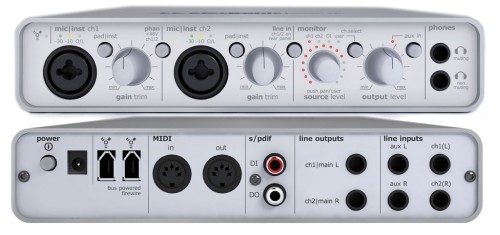
--oozz demonstrated for us his simple CAS. Using WAV file played on a small Firewire-enabled PC laptop via Foobar, fed into a lowly TC Electronics Konnekt 8 AD/DAC/Firewire interface (pictured). I personally think it's likely the best CAS I've heard yet. Given the very low cost of the DAC, I'd say give it a try if you have Firewire, or even if you don't (there's S/PDIF and optical too; no XLR). oozz said he had also briefly tried its AD section and the results on the few LPs he archived was encouraging. That's chock full of features for such a low cost thing!
--We marveled at the full metal jacket Gaggia Achille Espresso Machine. Unfortunately, it's not operational yet. Next time we visit, we demand espresso! I miss JC here.
 After that, we all stopped by sokps' place. He generously let us break the seal on a 20+ year old bottle of Johnny Walker Red, which as you know is emphatically not the same thing as what passes for it now. Popular brands of scotch and brandy are now just ghosts of their former selves. Connoiseur of scotch oozz murmured to himself "tastes like single malt..." That just about said it all (though popular single malt is also not quite their former selves, but the downturn is not as severe). So, the older the better!
After that, we went for a very good dinner at the venerable 龍華 in 錦田. 燒鵝皮脆肉嫩,淡而有味; 小炒王沒多半點油,香口惹味; 炸生蚝酥脆, 肥而甜. Now, THAT is a rare good restaurant! Too bad no photos. After dessert, four fellows squeezed into my LR for an audition of my WAVAC system, for which I shall write a full report one of these days.
Happy Holidays to All!
Home Visits: Spendor SP-100 and DIY Fullrange
Home Visits: Spendor SP-100 and DIY Fullrange
Different ways, all money well spent
It's amazing to realize it has been exactly one and a half years since I started my Blog. The inaugural article was on Usher. The third article was a Spendor Overview and it's a delight to return to Spendor again here.
 Click on pics to enlarge
Class A Bargain
A week ago I hooked up with icefox in 葵涌. After lunch at likely the busiest 茶餐厅 I have ever visited (where the waiters were literally running around) we spent some time listening to his SP-100. Previously, he was listening to the Maggie 3.5s. While he was awaiting servicing for the Maggies, icefox brought the Spendor SP-100s out and placed them in positions where they can be more advantageously heard. This just happened recently and so things have not settled down. At first sound was a little lugubrious and the bass was not too good. So we spent some time getting them into shape. Things have changed a bit from the previous visit. For this temporary setup:
-CAS: Mac mini + HD. iTunes/AIFF/mini Toslink into a set of recently acquired old DPA flagship (still not nearly as good as CDP playback).
-CDP, Preamp, Amp, speaker cables: Symphonic Line
-Speakers:Spendor SP100
-The first thing I noticed was that icefox in haste used a few strands of solid core copper (stripped from Pirelli power cables) threaded through the holes of the binding posts (SP-100 is Tri-wire) as jumpers. The cores are of rather high AWG (diameter) and he used many of them. Since my own experience is too many strands of solid core wires cannot be used in a cable without the risk of smearing the sound, we removed them and decreased the number of strands, using only 2 twisted together. Sound was immediately cleaner and bass became more agile.
-I noticed the single pair of speaker cables were inserted into the bass posts. I moved the (+) to the midrange post and left the (-) on the bass post. There was immediately more air. I don't always favor this kind of connection but it's system dependent.
-I know for a fact the SP-100, like most large speakers, respond to bi-wiring (few people would go to the extent of tri-wiring). In fact, IMHO this is a MUST for better control. I brought with me a set of twisted solid core jumpers (from salvaged old AQ cables) and hooked up the treble and midrange posts. icefox dug up some very long Gotham cables, 2 pairs of different construction and length (I think 50040 and 50150) and we installed them, the shorter pair on the bass units. the sound improved further, for me to an extent larger than the previous 2 maneuvers. Most importantly, sound was much more at ease, especially with classical showpieces. Bass smoothed out and, more importantly, now had a walking quality. Perhaps the cables had not been used for too long; sound was just a little slow for my taste, something that's not characteristic of Gotham.
-icefox finally remembered had had another pair of Symphonic Line speaker cables, loaned to him by oozz. Perfect! The two pairs were of identical length and the switch tightened up the sound a small notch.
-A very small degree of toe-in snapped images into better focus.
The speakers are really marvelous. They filled up the space in a way that the Maggie 3.5 could not begin to do. Sound is fast and smooth, dynamic as hell and responsive to all types of music. Properly set-up they put most super-expensive speakers of nowadays (unfortunately too many of them) to shame. Remember the SP-100 is an evergreen on Stereophile's Class A list. You should audition it.
In truth, I should mention that although SP-100 should be (tri) bi-wired for better control, this should not be taken as an indication that it's power-hungry. Just as importantly, the SP-100, like many good speakers (Maggie e.g.), does not need expensive amplification to sound its best. A good tube preamp and a cheap but resonably strong amp is already enough to bring you to nirvana.
 Add a little here, a little there, all on the cheap
Then we visited neighborhood denizen welborne, another very old friend of mine. I was delighted to run into limage and Ken1967. It's a Monday, does any body work these days?
When I first knew Welborne in my Cheaptubeaudio days he was into tubes and all kinds of reasonably priced things, including fullrange speakers (Diatone), BBC monitors, SET amps etc. In recent years he has concentrated on T-amps and the like, but it seems his love for the fullrange has remained. His setup is, to say the least, most unusual. It's slightly different from when I last visited:
-Digital: Philips 963 into Promitheus (non-oversampling) DAC
-Amps: NuForce integrated for fullrange and tweeter; pre-out to electronic crossover to Virtue Audio T-amp for bass.
-Speakers: The calling card of the system. based on a (radio) SABA fullrange. I forgot the (super)tweeter. The bass is augmented by a huge professional Celestion unit. the "enclosure" is basically open-baffle.
welborne's has always managed good sound. The speakers are highly sensitive and likely present a benign loading curve (important for digital amps). The sound was layered and easy on the ears. I don't think even flea-powered T-amps would be taxed by the fullrange and tweeter. Compared to last time, sound was smoother but slightly lacking in fleshiness. Perhaps the crossover needs a little fine-tuning (I'm sure he's doing that all the time). Overall, however, the sound was quite musical. It's now from Cheaptubeaudio to CheapTaudio for welborne. Try to pay a visit and be amazed by what can be achieved for so little.
My view of T-amps in general
Texture always seems to be somewhat deficient; I think that's too much to ask from T-amps. Call me biased, T-amps and such likes always seem to me to have a one-dimensional and "papery" quality (for lack of a better word) in the sound. There can be a lot of it, or a little, but never completely absent. I'd not say "digital sound" because the better digitals (at least as source) sound satisfyingly fleshed out. And for a SE Triode man, harmonics and decay of T-amps are also not of the first rank. However, for the price and convenience (diminutive size) they are wonderful things.
Different ways, all money well spent
It's amazing to realize it has been exactly one and a half years since I started my Blog. The inaugural article was on Usher. The third article was a Spendor Overview and it's a delight to return to Spendor again here.
 Click on pics to enlarge
Class A Bargain
A week ago I hooked up with icefox in 葵涌. After lunch at likely the busiest 茶餐厅 I have ever visited (where the waiters were literally running around) we spent some time listening to his SP-100. Previously, he was listening to the Maggie 3.5s. While he was awaiting servicing for the Maggies, icefox brought the Spendor SP-100s out and placed them in positions where they can be more advantageously heard. This just happened recently and so things have not settled down. At first sound was a little lugubrious and the bass was not too good. So we spent some time getting them into shape. Things have changed a bit from the previous visit. For this temporary setup:
-CAS: Mac mini + HD. iTunes/AIFF/mini Toslink into a set of recently acquired old DPA flagship (still not nearly as good as CDP playback).
-CDP, Preamp, Amp, speaker cables: Symphonic Line
-Speakers:Spendor SP100
-The first thing I noticed was that icefox in haste used a few strands of solid core copper (stripped from Pirelli power cables) threaded through the holes of the binding posts (SP-100 is Tri-wire) as jumpers. The cores are of rather high AWG (diameter) and he used many of them. Since my own experience is too many strands of solid core wires cannot be used in a cable without the risk of smearing the sound, we removed them and decreased the number of strands, using only 2 twisted together. Sound was immediately cleaner and bass became more agile.
-I noticed the single pair of speaker cables were inserted into the bass posts. I moved the (+) to the midrange post and left the (-) on the bass post. There was immediately more air. I don't always favor this kind of connection but it's system dependent.
-I know for a fact the SP-100, like most large speakers, respond to bi-wiring (few people would go to the extent of tri-wiring). In fact, IMHO this is a MUST for better control. I brought with me a set of twisted solid core jumpers (from salvaged old AQ cables) and hooked up the treble and midrange posts. icefox dug up some very long Gotham cables, 2 pairs of different construction and length (I think 50040 and 50150) and we installed them, the shorter pair on the bass units. the sound improved further, for me to an extent larger than the previous 2 maneuvers. Most importantly, sound was much more at ease, especially with classical showpieces. Bass smoothed out and, more importantly, now had a walking quality. Perhaps the cables had not been used for too long; sound was just a little slow for my taste, something that's not characteristic of Gotham.
-icefox finally remembered had had another pair of Symphonic Line speaker cables, loaned to him by oozz. Perfect! The two pairs were of identical length and the switch tightened up the sound a small notch.
-A very small degree of toe-in snapped images into better focus.
The speakers are really marvelous. They filled up the space in a way that the Maggie 3.5 could not begin to do. Sound is fast and smooth, dynamic as hell and responsive to all types of music. Properly set-up they put most super-expensive speakers of nowadays (unfortunately too many of them) to shame. Remember the SP-100 is an evergreen on Stereophile's Class A list. You should audition it.
In truth, I should mention that although SP-100 should be (tri) bi-wired for better control, this should not be taken as an indication that it's power-hungry. Just as importantly, the SP-100, like many good speakers (Maggie e.g.), does not need expensive amplification to sound its best. A good tube preamp and a cheap but resonably strong amp is already enough to bring you to nirvana.
 Add a little here, a little there, all on the cheap
Then we visited neighborhood denizen welborne, another very old friend of mine. I was delighted to run into limage and Ken1967. It's a Monday, does any body work these days?
When I first knew Welborne in my Cheaptubeaudio days he was into tubes and all kinds of reasonably priced things, including fullrange speakers (Diatone), BBC monitors, SET amps etc. In recent years he has concentrated on T-amps and the like, but it seems his love for the fullrange has remained. His setup is, to say the least, most unusual. It's slightly different from when I last visited:
-Digital: Philips 963 into Promitheus (non-oversampling) DAC
-Amps: NuForce integrated for fullrange and tweeter; pre-out to electronic crossover to Virtue Audio T-amp for bass.
-Speakers: The calling card of the system. based on a (radio) SABA fullrange. I forgot the (super)tweeter. The bass is augmented by a huge professional Celestion unit. the "enclosure" is basically open-baffle.
welborne's has always managed good sound. The speakers are highly sensitive and likely present a benign loading curve (important for digital amps). The sound was layered and easy on the ears. I don't think even flea-powered T-amps would be taxed by the fullrange and tweeter. Compared to last time, sound was smoother but slightly lacking in fleshiness. Perhaps the crossover needs a little fine-tuning (I'm sure he's doing that all the time). Overall, however, the sound was quite musical. It's now from Cheaptubeaudio to CheapTaudio for welborne. Try to pay a visit and be amazed by what can be achieved for so little.
My view of T-amps in general
Texture always seems to be somewhat deficient; I think that's too much to ask from T-amps. Call me biased, T-amps and such likes always seem to me to have a one-dimensional and "papery" quality (for lack of a better word) in the sound. There can be a lot of it, or a little, but never completely absent. I'd not say "digital sound" because the better digitals (at least as source) sound satisfyingly fleshed out. And for a SE Triode man, harmonics and decay of T-amps are also not of the first rank. However, for the price and convenience (diminutive size) they are wonderful things.
20 December, 2009
HiFi Basics: What's the most important thing in HiFi?
HiFi Basics: What's the most important thing in HiFi? And, is there progress?
Technically, aside from the speakers, I'd regard what's at the front (source and preamp) more important than what follows. But really, the most important thing to Hifi comes from the heart. It's the love of music.
It perhaps matter not so much what genre of music one likes, as long as one is willing to explore and go in depth. There are people well versed in Rock & Roll, and Jazz, and as primarily a classical fan I admire and read what they write. Contrary to popular belief, it takes not much money to do this, but it takes effort. A case can be made that various free venues of exploring music, be it via the library or radio (easy these days because of the internet), or even the internet and youtube (sound limitation hardly detracts from greatness in music) is more fruitful than buying CDs on your own.
Unfortunately, most audiophiles spend way too much time listening to audiophile recordings and too little exploring music. Buying multiple versions (SACD, XRCD, LPCD, xxCD) of the same album just for the slight difference in sound effect can also be an overkill. While pursuing "higher fidelity" is inevitably part of the audiophile, when it comes to "progress" the subject is more complex than it seems. Every new technology has its own Archilles Heel, and it takes time to even just admit it.
Many years ago, long before the advent of R33 and imitators, mirroring elsewhere, in the HK forum Audioboard, there were lots of writing and debates on the "death" of CD, not to mention LP. The argument used the advent of DVD-A, SACD, as well as then-new "upsampling", 24/96 and even 24/192 on the horizon. Looking at it now, aided by the internet, while high-bit, high-sampling rate has finally raised their heads, DVD-A and SACD (let's not argue about their merits or de-merits) have largely fallen by the wayside, and many of the doomsayers have been proven wrong. The same people are again saying now the CD is dead, and downloading is the future. Are they right this time while proven wrong many times before? I think not.
These "experts" (and some of them are active still on the net) who predicted the death of LP and even CD could not have been more wrong. LP in the past decade experienced a strong resurgence. It's not just discerning hifi people who feel so, even "ordinary" music lovers think LP sound superior. If you think the contrary, read no further. As for the CD, it's interesting to note that out-of-print CDs now command increasingly stratospheric prices. Does that not remind you of LP?
Don't mistake me for someone who believes "the older the better". I follow CAS with great interest, and listen to CAS whenever I can. I use CAS as an alternate source, but since I've a hugh collection of software, it shall never be my main staple. For the classical fan, the "convenience" of CAS is over-rated. It's a pain to maintain and difficult to sort. Let's say you use iTunes and have registered for the store, cover Art for pop is easy and almost inevitable, but it almost never works for classical. Sometimes you even get the wrong album cover! OK, classical fans is a minority, but one undeniably of the greatest importance in HiFi.
Another truth is, there is nothing that is the "best". Such terms are only employed by magazines and the inexperienced. Can CAS completely trounce the best of the most primitive 14-bit (such as Philips 100, 2000 or revox 225) machines? Many think not, but you have to have the experience first. There are too many people out there making big statements, and many of them don't have substantial experience with older decoders, not to say LPs. For me, anyone who doesn't know LP well and make pronouncements on digital superiority is suspect. There were too many of that type in the earlier digital era. Then people began to find out about "jitter". Now, there is "pre-ringing". As the ordinary CD is getting better and better, problems with CAS is only starting to emerge. Download a high-resolution file and perfect sound forever? I wager not.
So far in my experience, CAS has not convincingly trounced even simple CD playback, not to say LP playback, but I'd be happy to be proven wrong. Most alarming are the hyperboles I've read. One example is the lavish praise of CAS through the Benchmark DAC. Yes, it's a reasonable DAC, but it's not what it's claimed. Even with the "best" cables and tweaks, it's seriously deficient in rhythm and pace, which means music has a canned quality.
CAS is certainly fun, and there are people older than I totally immersed in it. I think it's great for the industry and our hobby, and more than enough for the music lover. Which brings me back to the question of "progress". I do think there is progress in audio. Very good sound can be had for much less than before. That is certainly progress.
However, in terms of the unfortunately named "absolute sound", the answer is a resounding NO. In this day and age, why would someone listen to an astronomically priced Western Electric tube that outputs less than 0.5 watt? Why do people listen to hugh vintage horns? You can choose to deride these people, but I know and agree with their basic premise: notwithstanding measurements and "advances", these primitive devices are capable of getting one closer to "absolute sound" than the newest devices. If you don't think so, it may be your lost. Of course, not everyone gets good sound from these things from the "Jurassic Age", but some do. It's no different from CAS: it can be wonderful, or awful. It's all in the implementation, and that takes time and experience.
What happened to liner notes? Every time you take out a CD or LP, the liner notes are calling out for you. Maybe you don't read them, but you should. It's important to learn more about the music you're listening to. I read all the liner notes, even those that come with the library CDs. With only CAS, you need to turn on the computer to find out, and that's not too good for your musical growth. The bottom line is, explore music more than you explore technology. Only in that way can you become a better audiophile.
Technically, aside from the speakers, I'd regard what's at the front (source and preamp) more important than what follows. But really, the most important thing to Hifi comes from the heart. It's the love of music.
It perhaps matter not so much what genre of music one likes, as long as one is willing to explore and go in depth. There are people well versed in Rock & Roll, and Jazz, and as primarily a classical fan I admire and read what they write. Contrary to popular belief, it takes not much money to do this, but it takes effort. A case can be made that various free venues of exploring music, be it via the library or radio (easy these days because of the internet), or even the internet and youtube (sound limitation hardly detracts from greatness in music) is more fruitful than buying CDs on your own.
Unfortunately, most audiophiles spend way too much time listening to audiophile recordings and too little exploring music. Buying multiple versions (SACD, XRCD, LPCD, xxCD) of the same album just for the slight difference in sound effect can also be an overkill. While pursuing "higher fidelity" is inevitably part of the audiophile, when it comes to "progress" the subject is more complex than it seems. Every new technology has its own Archilles Heel, and it takes time to even just admit it.
Many years ago, long before the advent of R33 and imitators, mirroring elsewhere, in the HK forum Audioboard, there were lots of writing and debates on the "death" of CD, not to mention LP. The argument used the advent of DVD-A, SACD, as well as then-new "upsampling", 24/96 and even 24/192 on the horizon. Looking at it now, aided by the internet, while high-bit, high-sampling rate has finally raised their heads, DVD-A and SACD (let's not argue about their merits or de-merits) have largely fallen by the wayside, and many of the doomsayers have been proven wrong. The same people are again saying now the CD is dead, and downloading is the future. Are they right this time while proven wrong many times before? I think not.
These "experts" (and some of them are active still on the net) who predicted the death of LP and even CD could not have been more wrong. LP in the past decade experienced a strong resurgence. It's not just discerning hifi people who feel so, even "ordinary" music lovers think LP sound superior. If you think the contrary, read no further. As for the CD, it's interesting to note that out-of-print CDs now command increasingly stratospheric prices. Does that not remind you of LP?
Don't mistake me for someone who believes "the older the better". I follow CAS with great interest, and listen to CAS whenever I can. I use CAS as an alternate source, but since I've a hugh collection of software, it shall never be my main staple. For the classical fan, the "convenience" of CAS is over-rated. It's a pain to maintain and difficult to sort. Let's say you use iTunes and have registered for the store, cover Art for pop is easy and almost inevitable, but it almost never works for classical. Sometimes you even get the wrong album cover! OK, classical fans is a minority, but one undeniably of the greatest importance in HiFi.
Another truth is, there is nothing that is the "best". Such terms are only employed by magazines and the inexperienced. Can CAS completely trounce the best of the most primitive 14-bit (such as Philips 100, 2000 or revox 225) machines? Many think not, but you have to have the experience first. There are too many people out there making big statements, and many of them don't have substantial experience with older decoders, not to say LPs. For me, anyone who doesn't know LP well and make pronouncements on digital superiority is suspect. There were too many of that type in the earlier digital era. Then people began to find out about "jitter". Now, there is "pre-ringing". As the ordinary CD is getting better and better, problems with CAS is only starting to emerge. Download a high-resolution file and perfect sound forever? I wager not.
So far in my experience, CAS has not convincingly trounced even simple CD playback, not to say LP playback, but I'd be happy to be proven wrong. Most alarming are the hyperboles I've read. One example is the lavish praise of CAS through the Benchmark DAC. Yes, it's a reasonable DAC, but it's not what it's claimed. Even with the "best" cables and tweaks, it's seriously deficient in rhythm and pace, which means music has a canned quality.
CAS is certainly fun, and there are people older than I totally immersed in it. I think it's great for the industry and our hobby, and more than enough for the music lover. Which brings me back to the question of "progress". I do think there is progress in audio. Very good sound can be had for much less than before. That is certainly progress.
However, in terms of the unfortunately named "absolute sound", the answer is a resounding NO. In this day and age, why would someone listen to an astronomically priced Western Electric tube that outputs less than 0.5 watt? Why do people listen to hugh vintage horns? You can choose to deride these people, but I know and agree with their basic premise: notwithstanding measurements and "advances", these primitive devices are capable of getting one closer to "absolute sound" than the newest devices. If you don't think so, it may be your lost. Of course, not everyone gets good sound from these things from the "Jurassic Age", but some do. It's no different from CAS: it can be wonderful, or awful. It's all in the implementation, and that takes time and experience.
What happened to liner notes? Every time you take out a CD or LP, the liner notes are calling out for you. Maybe you don't read them, but you should. It's important to learn more about the music you're listening to. I read all the liner notes, even those that come with the library CDs. With only CAS, you need to turn on the computer to find out, and that's not too good for your musical growth. The bottom line is, explore music more than you explore technology. Only in that way can you become a better audiophile.
18 December, 2009
Home Visit: JBL 4343

家访: JBL 4343 胆石皆宜?
经唐吉訶德的安排,周一待他下班后就直奔龙岗。 与他朋友亦同事余先生等在肥仔烧鹅吃了便饭。这家连锁店听说很有名,烧鹅还可以,但没能令我忘了锦田聚富轩的味道(可惜已成绝唱); 倒是油鸡和鹅肠都还不错。
这是我第二次到访。JBL 4343 是钢磁的,先前经唐吉訶德的调教由 Marantz 7+9 推得有板有眼,加上余先生令人羡慕的聆听环境,效果比很多香港的 JBL 都好。 留意由于地方大中置用上了一对 L100。当然这一切没能令余先生止痒, 最近又买了一套 Cello。 器材如下:
CD: Revox 126 (有时直出;有时做转盘); Meridian 588, 562
前后级: Cello Suite + Performance, 还是有 phono 的
刚进去的时候, 声音有点薄,且左右不均, 有点飘忽。 唐吉訶德发力调教了一番; 我在旁喝啤酒,偶然添添乱;声音也就慢慢好起来。还是很好听的声音,平衡得来稍嫌淡抹了一点
我看余先生跟我一样,骨子里是个胆客。 个人认为, JBL 确是胆石皆宜, 但胆是走在前面的, 就是好那么一点。尤其以 JBL 来说,再贵的石机就算在一套中低价的胆机身上也讨不了便宜。其实胆前石后也会很好, 值得尝试 (我就是这样推 4312A 及 Century Gold 的)。
The Yumcha Diaries: 12/12/09
The Yumcha Diaries: 12/12/09
From Spectator to Participant
Altogether eight people turned up, and we were glad to see some old friends showing up in sports suit and even sandals (in cold weather). No doubt the effect of the East Asian Games, which we watched on the screen. Given that there were children nearby, I was not sure of the propriety of these middle aged fellows commenting on every female figure. Some good looking girls in tracks! Well, just talk, there's little chance we could run after them...Another topic revolved around the turntable, and a certain "expert" who showed up to demonstrate, seemingly not too successfully. This generated a hot debate on "azimuth", cooled only by the water splashing on the screen and...naked flesh.
After yumcha, three of us went to sokps' familiar setup, which of course sounded somewhat different from a recent visit. Here's one brave soul who's never tired of tweaking. We concluded our visit with not one, but two versions of Saint Saens' organ symphony. After this, we all cramped into oozz' small but lovingly adorned place. His system as covered in The Yumcha Diaries 05/09/09 had undergone some changes. Given that he's primarily a vinyl user, he finally had to set aside his passive preamp, and a Pass Lab preamp resides in its place, for now. The sound was, as expected, excellent, and the speakers seemed a little more run-in though some residual tightness remained. oozz played for us various symphonic music, all well done, but when he took out Fremaux' famous Saint Saens, we all said no, enough organ music in one day. With sokps present, needless to say some tweaking (such as removal of absorbent material) were experimented. After a nice dinner, I went home but the rest proceeded to Happy Hour!
From Spectator to Participant
Altogether eight people turned up, and we were glad to see some old friends showing up in sports suit and even sandals (in cold weather). No doubt the effect of the East Asian Games, which we watched on the screen. Given that there were children nearby, I was not sure of the propriety of these middle aged fellows commenting on every female figure. Some good looking girls in tracks! Well, just talk, there's little chance we could run after them...Another topic revolved around the turntable, and a certain "expert" who showed up to demonstrate, seemingly not too successfully. This generated a hot debate on "azimuth", cooled only by the water splashing on the screen and...naked flesh.
After yumcha, three of us went to sokps' familiar setup, which of course sounded somewhat different from a recent visit. Here's one brave soul who's never tired of tweaking. We concluded our visit with not one, but two versions of Saint Saens' organ symphony. After this, we all cramped into oozz' small but lovingly adorned place. His system as covered in The Yumcha Diaries 05/09/09 had undergone some changes. Given that he's primarily a vinyl user, he finally had to set aside his passive preamp, and a Pass Lab preamp resides in its place, for now. The sound was, as expected, excellent, and the speakers seemed a little more run-in though some residual tightness remained. oozz played for us various symphonic music, all well done, but when he took out Fremaux' famous Saint Saens, we all said no, enough organ music in one day. With sokps present, needless to say some tweaking (such as removal of absorbent material) were experimented. After a nice dinner, I went home but the rest proceeded to Happy Hour!
06 December, 2009
HiFi Letter from New York 2009 (5): How to construct a bedroom-study system

 pic: (L) bedroom in NYC; (R) study in HK
HiFi Letter from New York 2009 (5): How to construct a bedroom/study system
This article represents a personal view of how to listen to music in a smaller secondary space, be it a bedroom or study. Of course, if you're the lucky few with a huge house and your secondary space is the size of a living room, congratulations to you. For those of us with smaller spaces, and want to retain the function of the small space, here's what I would do.
The pro's and con's of near-field
Many people, be they young people living with parents or older people sacrificing space for their children and families, have only a small room to do their things, usually equipped with a computer desk. Often people would choose a desktop system, upgrading their sound card or using active speakers etc. To go with the trend, even "reputable" magazines have reviews of gears conducted at least partly on the desktop. An example is Steven Stone of TAS, who has a "serious" desktop for CAS, connected to a subwoofer for "fullrange".
While I would concede that a serious desktop (particularly if your desk is large) can be serviceable, it has drawbacks. While it is possible to construct a system that plays with some detail and finesse at low volume, with only direct sound the music is robbed of its foundation. yes, you can get a "soundstage" but it's one so small I'd not bother with. For the same reason I'd hardly consider listening to headphones, no matter how good it is (even electrostatic Stax). Without excitation of the room, music is not quite music. At least, it loses connection to the event.
 Place your speakers near the ceiling
My preferred way is to place the speakers high up, where real estate is not so precious. Place them so they're as far from your seat/bed as possible. If you think this is unusual, think again. Think of record stores (in particular, HMV and Pro Sound with their quality speakers) that mount speakers up high. The music always sound beautiful and flowing and without "problems", have you not noticed? Placed thus, you get reflected sound and excitation of the room, and little of "room problems". The only caveat is the soundfield is high in the smaller room. For me I'd gladly trade an artificial soundstage for a much bigger sound.
Set up thus, my rooms can play large symphonies with heft and satisfying bass. Right now I'm listening to this sonic spectacular (Varese 2; Naxos) and the HUGE orchestra with its many exotic instruments gets me so involved I can hardly type! A piano sounds like a piano, an organ a organ, and a bass drum a bass drum. Try to do that with your computer speakers.
The speaker makes a difference. In my HK study, my Proac R1 outperforms my ATC A7 and SCM7. In my NYC bedroom, standing where I took the photo, it was obvious the Linn Kan creates a larger sound field (one that is lower too) than the Focal. If you have more than one pair of small speakers on hand, it's worth experimenting. However, it's comforting to note that, placed thus, no speaker sounds bad in my experience.
Your mileage may vary. For equipment used in the 2 systems, go down the side-bar.
(This article was started in NYC, but finished in HK).
01 December, 2009
HiFi Letter from New York 2009 (4): Focal Chorus 705V, Linn Kan
 HiFi Letter from New York 2009 (4): Focal Chorus 705V; Linn Kan
Toiling with Bookshelves. Do they all sound the same?
Focal Chorus 705V
The smallest bookshelf in the Focal Chorus range, these speakers have garnered good reviews (HiFi Choice; What HiFi!; TAS "Best Buy"). I first read in TAS Steven Stone's short review of the 705V, which is somehow not on the web. I have always been cautious about what Stone says because of his associated equipment and small listening environment. This is one reviewer who starts a bookshelf review by listening to them on his DESKTOP, with a sub. He said they were beautiful but became less and less attractive in his bigger room (still small). I'd not have pursued further if not for the fact that the more dependable Robert Harley had earlier given the bigger brother 706V a great review (both are TAS recommended components). I actually auditioned both in Sound by Singer's small room (as an aside when we went to audition Vienna Acoustics' marvelous Haydn Grand), where they were hung against the wall. Using Cambridge electronics, both delivered a good performance; actually the smaller 705V's sounded more refined.
About a year ago I chanced on a second-hand pair and the bargain was irresistible. When I tried them out in my living room (which is quite a bit larger than Stone's), inside of the ML's (see earlier pics), I was greatly disappointed. They disappeared and imaged well; but then they simply sounded small and lackluster. I relegated them to the bedroom and did not find them great either.
As mentioned in the last post, by drastic re-positioning the improvement I got this time was eye-opening. Almost flush against the side-walls, with a good degree of toe-in and driven by my second station (see last post), everything snapped into place. The speakers delivered a big-sounding, smoothly textured and nuanced performance that belies their price. Images were focused, but tall and fleshy like larger monitors. The treble quality surprised me greatly. In a brief comparison (below), it's at least the equal of the venerable LS3/5A. No doubt a tube preamp helps a great deal. In many ways the tweeter here has many of the strengths of its more expensive brethren (Beryllium included) and little of their weakness. The midrange is well-integrated and transients quick and life-like. The bass, while limited and truncated at the bottom, was full and agile. In fact, the rhythm and pace was surprisingly excellent, and on Van Morrison's Moondance one immediately noticed the bass to have a wonderful walking quality. For my taste, the 705V's easily trumps the Usher S-520's in most aspects (except bass and dynamics), especially in refinement. On music that demands loud playback the 705V's still did surprisingly well. Haitink's Shostakovich 5th rang out loud and true. Yes, a small degree of politeness noticed by the better British reviewers was indeed evident, but that was more than compensated by the smooth dynamic expression, no mean feat.
Another notable thing is the efficiency of the 8-ohm 705V's. This did not come entirely as a surprise, as Focal has usually been relatively efficient and a rather friendly load. Yes, you guessed it, here's another speaker that responds beautifully to SE amps. The Almarro 205A (probably 5-6 watts) partnered it really well, even at my real-world listening level. soft-clipping only occasionally during the loudest passages. Remember my living room is not small. The larger 706V's probably would do even better, and I'd be curious to hear them.
The paradox is, contrary to what Stone said, these speakers perform better in a large room than near-field, PROVIDED a good degree of wall reinforcement is introduced. Caution here, the usual mid-room placement on stands would NOT work. In a coming article I shall tell you how they did in my new bedroom setup.
I almost forgot to mention that (like the Usher S-520) the woofers are long-throw types. Another reason for my success this time I suspect is because I used an ss amp to pump it for a while before listening. I suspect these require longer break-in's to sound their best.
Linn Kan I vs Focal Chorus 705V vs LS3/5A
This time I also acquired a very handsome mint pair of Linn Kan I of black veneer, a finish I much prefer to its later reincarnations. This is the first generation, which uses the 3/5A KEF woofer but Linn's proprietary tweeter in a box identical to that of the BBC 3/5A. When they arrived, I conducted a small test, comparing these three speakers. Here are my observations:
- With these small boxes, the placement I used for the Focal 705V worked equally fine for the Linn Kan and the Audiomaster LS3/5A (15 ohm). All had similarly wide soundstage, good imaging, fleshy presentation, with even tonal balance and no significant anomaly. In a way, they sounded more similar than different. In other words, the room effect was minimal. One could imagine further component matching with different gears could result in even closer match.
- Using the 8 ohm tap of the Almarro, sound of the Linn Kan was superbly fast and dynamic (way ahead of its time), edging out the Focal. The LS3/5A suffered from a little sluggishness in comparison.
- All had good rhythm and pace, but Linn Kan took the palm for boogie factor.
- Linn Kan had the airiest treble, very modern in fact. On the other hand, with some material it could be a tad bright. Focal's treble is the smoothest.
- In terms of details rendered, they came very close.
- Though darker, the LS3/5A is just a little bit more subtle and dynamic than the Focal, perhaps even the Linn Kan, in the mid-range.
23 November, 2009
HiFi Letter from New York 2009 (3):

HiFi Letter from New York 2009 (3):
Spread them wider! Menage a Trois, ou Quatre!
If you look at the pic in my first letter you shall see the placement of the left speaker left something to be desired. With approval, a week ago I relocated the table to the middle of the front wall and the left speaker further against the sidewall. This enabled me to put the small bookshelves to the lateral side of the Martin Logan Source’s. I am still 10 ft+ from the speakers but the distance between the MLs and between the bookshelves now become a more respectable 7+ ft and 9 ft.
Needless to say, the soundstage became much wider instantly, and after adjusting the toe-in angle, there is no loss of focus. While the benefit to the ML’s are solid, the change made to the sound of the bookshelves, which shall be described in another letter, is nothing short of astonishing.

These continue to please me to no end. Its ability to run on good SET amps is a great bonus. The real strength is the ability to let the listener into the venue, meaning feeling like you're listening to the real musicians. In this, it is matched by few transducers that I have heard. Right now as I type I am listening to LP, Mahler’s Symphony No. 3 (LPO/Tennstedt), one of his most atmospheric. In III one distinctly feels the hushed atmosphere of the posthorn solo, and so it is the same in IV, where the singing by contralto Ortrund Wenkel is similarly atmospheric. No doubt the engagement I felt can be most appropriately attributed to ML’s exceptional portrayal of the leading edge (fast, but not too fast to stand out) allied to a full sound palette. The ML also makes most of the other speakers touted for imaging sound just that little bit manicured, even artificial. The palpability and real-life size decidedly trump the smaller Quads, which have trouble with tallness of image, not to say a realistic level of playback. I mostly play the LP pile I have just bought, but every time I slot in something familiar, like Van Morrison's Moondance, I am astonished by the experience of hearing something anew. I know it’s a cliché, but that is certainly how it is.
With its rear port and still less than ideal placement surprisingly I have very little bass problem. There isn’t significant bloating and I do not feel much standing wave effects. Perhaps I am just lucky, though I feel the 2 corridors behind the 2 speakers help a bit here.
A second station
After some toying around and running some other components for maintenance sake, the main system (for this visit) has been settled:
-Linn LP-12 (just upgraded from
-Audio Technica 1200 turntable with Grado Gold and Denon DL-102 mono cartridges
-Linn Karik/Numerik (Linn cable)
-PS Audio GCPH phonoamp (Mogami)
-BAT VK3i preamp (thin WE interconnect)
-Almarro 6C33 SET amp (Belden 9497)
-Martin Logan Source
What’s the real reason for setting up a second system? Usually and ostensibly it is for practical reasons, like to have something in the bedroom. I suspect the true reason for some people is at least a trace of harbored ill-will for the main system. Avoiding the naked truth staring in one’s face, so as not to upset the weak psyche, one usually savors something different and usually lower in status.Just a thought.
If you believe me, my reason for a second system IS a practical one. I get up really early, like
-Revox 226 Signature (DIY solid core cable of thin gauge)
-Pioneer PL-10 with cheap AT cartridge (my first TT)
-High Resolution Technology Music Streamer (PC running iTunes/Wav files)(cheap Audioquest)
-Sony XDR-F1HD “digital” tuner, with HD capability (useful in the USA)
-ARC SP-9
-Almarro EL84 SE amp (Acrotec) or NAD 325BEE (used as power amp)
-Linn Kan or Focal Chorus 705V on Sonus Faber adjustable stands.
With the new positions of the bookshelves, the second system is functioning splendidly. I had a hard time with the Focal Chorus before, but they are fine now and deserve a separate report later. The Linn Kan (version I) I just got and it was plug and play. The system now achieves a very good level of transparency even at very low volume. But it is surprisingly dynamic at high volume, with images tall and fleshed out. It took a bit of work and the experience is worth also a separate report.
A bedroom system is also half finished. Stay tuned.
19 November, 2009
HiFi Letter from New York (2): High Resolution Technology Music Streamer
 pic from Stereophile: the red MS on top of the grey MS+
HiFi Letter from New York (2):
High Resolution Technology (HRT) Music Streamer
It took me 2 weeks to plow through my Stereophile and TAS. Both contain recent reviews of this little toy. As soon as I found out there is NO external power supply (so I can bring it back to HK) and saw the price tag of $99 for the basic model, I ordered one.
Always a sucker for a bargain, I opted for the cheaper MS. Actually, it is also because CAS (computer as server) only plays a minor role (albeit a fun one) in my listening. And because for convenience in my big system in HK I prefer the wireless route, so as not to have a computer in the LR.
In case you don't know, designer Kevin Halverson is as hi-end as you get. Some of you may remember the MUSE DAC (I think model 2) many years ago. Does my memory serve me? This DAC reminds me of the late Stanley Chu of Opera Audio HK, who swore by it (Ah, Stanley, one of the most decent fellows in audio I have ever met). More recently, Halverson is designer of the coveted Polyhymnia multi-player, which I'd love to hear (little chance in HK it seems).
I received the MS in no time. It was basically plug-and-play except for 2 issues (in my case):
(1) It does not come with any cables. The DAC end uses the smaller USB (1.1) and my computer end only has the larger one; so I went to my local ten-cent store and got a $1.99 one, and it's "gold-plated"! Solved.
(2) After plugging in, one has to select one-off the device as default player in "Audio Devices" in the Control Panel. Easily done but no sound through iTunes. I opened the Windows Media Player and got sound. I emailed to "support" at HRT and got replied by Halvorsen himself. How's that for service! Later, I found out that on my iTunes setup I had to uncheck "use iTunes as default player" to get sound. So iTunes "default" is not just for the interface, but for playback too. If you run Media Player on PC or iTunes on Mac you should not have this kind of problem, just plug-and-play.
At this point, it needs running in. . However, preliminary sound is respectable, importantly of good dynamics and it has good PRAT (unlike Benchmark, no matter how good it is in other respects). I shall post an update later, and report in details after I try it out in HK. You see, I almost play viny exclusively here in NYC and my iTunes library here is much smaller than its counterpart in HK (compromised too, as the old portable is almost out of disc space)
The unit has been reviewed simultaneously by many hi-end magazines:
6moon (good pics of innards, though current versions are somewhat different. At least in digital components I have great faith in surface-mount components.)
HiFi+ (good pics of innards too)
Stereophile (good one by Art Dudley; unfortunately in the magzine there was a half page on the cheaper MS, which seems to have been omitted on the net version)
TAS
More later.
06 November, 2009
HiFi Letter from New York (1): Martin Logan, Jetlag
 (pic taken in the wee hours)
HiFi Letters from New York (1):
Martin Logan Source redux; Jet-lag
JETLAG (and how to make the best of it) and mental stamina
As one grows old, flying long-distance becomes more of a chore. In my case, jet-lag is more severe than in my youth. I wake up at 3 or 4 in the morning and try to kill time by catching up with my Stereophile, TAS and American Record Guide subscriptions. Then I make some coffee and have breakfast.
What does one do when one is in physical decline (and you know what I mean I presume)? One compensates by fortifying one's mental attitude, honing one's technique, to better focus on the task at hand, and to be more efficient. As it is with most things in real life, the approach to hifi and music is the same for me.
In the past, I'd just putter around doing nothing for a few days. Not now. Older people with less time left should gear up, not down. I arrived at night and after barely any sleep started building my hifi setup from the ground up early next morning. You may not know this: I dismantle my hifi every time I leave, so as to give my mother more space.
I give my gears some rotation. Last time I did not take out my Martin Logan Source. This time I did the big job, dragging the big boxes out and setting them up. Some of my gears, including my beloved BAT preamps, were on loan to my dear friend M, so I started with the following:
Digital: Linn Karik/Numerik; Rega Apollo (connected by Linn generic cables)
Vinyl: Linn LP-12/Ittok/Benz Micro Silver; Audio Technica 1200/Denon 102 (mono)
Preamp: ARC SP-9; PS Audio GCPH
Amps: Almarro 318B; NAD 325BEE (used as amp)
Speaker cables: Belden 9497 and Mogami
After hooking them up I went out and bought myself a roll with bacon and egg. Sipping strong coffee and satisfied with my hard work, I started my first serious listening session. The speakers, having been idle for a year, took some time to wake up. Ditto my other gears. Placement also had to be gradually evaluated, especially the toe-in angle of the curved panels.

 For those of you who have followed my Blogs, you'd know I rate the Martin Logan Source VERY highly (see my extensive original review; now that you have the pic here you can visualize my placement limitations better), hmmm, higher than many Maggies and ESLs. By the second day, the Martin Logan Source was performing its miracles. I started my listening with CDs. Talking Heads' More Songs About Buildings and Food, which I was listening to for the first time, was so richly textured that it literally stopped me from eating breakfast. A great recording of masterfully arranged songs, if you can take a full dose of David Byrne's vocals that is. I then put on Van Morrison's Moondance and was yet again surprised by the presentation. You see, I know every song of this masterpiece inside out (but have never heard it on the ML), yet almost all instrumental touches (of which there are many in the rich arrangements) have a different presentation from what I had known before. Most of this can be attributed to the speed of the stats, which when implemented correctly give you a fast but natural leading edge that is more richly nuanced and very different from that rendered by dynamics. I say "when implemented correctly" not to praise my modest efforts ("basic" is frequently the best) but to say that quite a few people I know had ruined their panels by partnering them with highly esoteric and costly gears (notably cables) which unfortunately instantly and negatively color the sound.
While the sound was wonderful, two things began to strike me as somewhat different from before. The first is a good thing: the bass seems even more tuneful than before; the walking bass line has even more of a boogie factor and I became more aware of rhythmic subtleties, particularly with the pop albums. That was the good part.
The Source as revealed by The Source
The second thing nagged at me for a couple more days.I was diligent and had gotten out LP-shopping. I played a few on the LP-12 but the slightly rough sound just nagged at me. It was not quite on the level of the CD playback, and that wasn't the case before! I had installed the Benz Micro Silver just before I left NYC last time. It is not broken in but I remember the sound last time had more brilliance to it. This time instead of brilliance the treble just stood out a little too much and was actually grating on some LPs. I made changes which unfortunately did not ameliorate things. Perplexed, I checked the cartridge again. It was tracking at 1.5 gm. I checked the manual which says optimal weight 2 gm! So in haste at set-up I had not given it enough weight and my system did not reveal it last time! I re-set to 2 gm and played over the LPs that bothered me. BINGO! that unpleasant leading edge was gone! If you have ever listened to Francescatti you'd know what a little over-representation of the treble does to your ears!
While we're on this, don't you think most hifi systems we hear mis-represent the violin? More often than not, we hear the strings but not so much simultaneously the vibrating body. Not so with the ML. Every instrument captures your attention with its unique signature. You don't find yourself dwelling on just the upper strings in a symphony when the winds are also playing. Every solo receives its due. Despite the somewhat limited soundstage, things just seemed a lot more real than, eh, say, most dynamics and, eh again, Maggies. Should I be clearer? Well then, the ML sounds more real than the Maggie. The interesting thing is, the reality portrayed by the ML is more than a little reminiscent of the horn speaker!
 One day I played the LP of Bohm's live Daphne, which I just picked up because of a superb photo of Hilde Gueden on the cover. I was stunned by her vocal portrayal, surely amongst the best Strauss vocals I have heard. This is not the greatest sounding recording, but it is clear enough. Most importantly, the ambience of the theater, and of the electifying orchestral sound emanating from the pit, was rendered in all its glory by the truthful transducer that is Martin Logan.
30 October, 2009
The Yumcha Diaries: 24-10-09

 (click on pics to enlarge)
The Yumcha Diaries: 24-10-09
How small or how big can you get?
Part I. No matter how you do it, small is not quite big
After yumcha, four of us hit the road for North Point, where we had an appointment pre-arranged. We managed to sneak in a last-minute extra, visiting our old friend Philip, whose smallish diamond-shaped LR was rather packed with some hifi stuff. System we heard:
Digital: Cyrus + PSX
Preamp: CJ Premiere 10
Amp: Sun Audio 2A3 (much modified)
Speakers: LS3/5a (Rogers 11 ohm) and Pioneer Pure Malt
Sound of the LS3/5A was surprisingly robust given the flea power on hand. With vocals, the 2 watts certainly did not feel lacking, and once again this demonstarted that a strong preamp must be used with SET amps. And the 3/5As trumped the Pioneer in this setting. Philip is a tweaker in the vein of his friend Wesley (recognize the birdhouse-like thing on top of the 3/5A?), and he showed us this single Ringmat thing under the CDP (see pic), the procedure pioneered by Frankie of Elite (if I remember what I'm told). It certainly worked well in this situation!

 Part II. Big IS big!
Compared to the previous location, the second place was positively palatial. And it had to be, to be able to accomodate this wonderful pair of Altec A5, which we heard previously so effectively at Alansoo's loft. Rest of system:
Digital: Sony "Studer" DVD player analogue out.
Preamp: Canary 4-piece
Amp: DIY PSE 2A3 (see pic)
Host is a vinyl person and had 2 old decks. I forgot the combinations for now. Suffice to say, with cheap cartridges he managed to get quite a lovely sound through both! And the Sony DVD player was a real surprise given the price, sounding finely balanced and neutral. The Altec's were driven full-range and the DIY amp (by DIY champ AuYeung) is definitely a winner. Besides some vintage quality trannies it looks like it may be employing an interstage, but I cannot be sure without opening it up. Anyway, a marvelous and righteous amp, not necessarily so common in the DIY world. The A5's played everything we threw at it with ease and had very good bass. Good stuff! We all hope that the host can play us his other toys next time. See if you can identify some from the pics (click to enlarge).
Yes, there was a Part III. We all went to the HKPO/Rozhdestvensky concert, and afterwards we had a Part IV, midnight snack! What a full day!
15 October, 2009
The Yumcha Diaries: 10-10-09

 (Click on pics to enlarge)
The Yumcha Diaries: 10-10-2009
Part I. Pondering the evolution of the Republic took second place to music.
LKT, a famous photographer of HK, is an old friend whom I haven't kept in contact much. Recently we met again because of certain hifi matter. 10.10 双十 is a day that should not be forgotten, not because it's Taiwan's National Day, but because it's significance dates back to the old Republic, a day in history. After yumcha, three of us went uphill to LKT's beautiful flat, where we were later joined by mutual friends the Robin couple. LKT is a frugal audiophile who dabbles in DIY stuff. System:
Digital: Eastern Electric (1 tube)
Preamp: Much modified Ming Da tube preamp (5Z3, 2x 12AX7; 2x 6DJ8)
Amp: Bryston 4B SST
Speakers: Proac D28 (jumpers)
Cables: Lots of DIY silver stuff
 From the start the system showed a preference to jazz, which had good presence. However, with violin and classical material, midrange was a bit sucked in and sound a little thinned out, though never unpleasant. We were very happy with the various esoteric CDs he played for us (highly recommended; see pics; click to enlarge). After a while, I noticed that he had both the +/- of the speaker cable into the woofer input, and therefore asked him to try having the + going into the tweeter input. Much to our surprise, the sound transformed, much more than usually, into a much fleshier whole. The midrange was no longer reticent, the presence even stronger, and the whole was organic sounding. Not bad at all for a little work! Decent sound! After this, we just spent our time sipping tea, eating the excellent 绿豆糕 from Taiwan, and listening to interesting music. How refreshing not having to listen to yet more "audiophile" albums!
 (Click on pic to enlarge)
Part II. From Beryllium to Beryllium
Then everyone went to Robin's place to audition his Yamaha NS1000. I reported a visit in January (click here; check out the equipment list there too) and much has changed since then. The first thing that happened was when Robin (unusually) picked up a Garrard 301 in Taiwan for a good price. he is using it with Audio Technica's evergreen OC-9. The next big change came about when he visited me some months ago. He expressed his reservation about Beryllium and I demonstrated my Yamaha NS1000 to him. He had long been interested in this legendary speaker due to reports in the UK hifi press, like HiFi World. Robin was immediately smitten by its sound and got a pair soon after. recently we have been playing with these and I loaned him a pair of Foundation.
The sound of the turntable was positively one of the best phono setups I have heard (using ARC Sp-11's phonostage, which seems to have more than enough gain for the OC-9). Fully fleshed out sound with beautiful dynamics and a fast leading edge that is just right. I was mightily impressed by the OC-9, which seems to possess the usual AT virtue of clarity and speed but habor not even one whit of AT's somewhat hot treble. It makes me want to take out my ART2000 and install it! Compared to the JM Lab Micro Utopia Be, the Yamaha just seemed so right, and so Beryllium tweeters need not be hot-sounding. Compared to my in-room placement, it suffers little from placement against the wall, sacrificing just a little depth and with a mild boost in bass.
Compared to the LP, the Stello setup seemed rather anemic. Even the host was not too interested. Work is in progress to bring the digital chain up to par with the phono, no easy task.
What a bargain, the Yamaha. For more info, read my observations on my own pair (click here).
10 October, 2009
Home Visit: La Scala redux

 (click on pics to enlarge)
Home Visit: La Scala redux
I should have done this much earlier, but fortunately it's never too late. Quite a long time ago I met conrad2002 and learned that he, like me, is a Klipsch La Scala user. Recently I called him up and he said his setup does not sound good. A few days ago, before a group visit to Andy L and Simon in 錦繡花園, Andy L and I paid him a visit and instantly proved that he was far too humble. Setup:
Digital: Metronome
Preamp: Pass Lab
Amp: Sun Audio 2A3 using Full Music 2A3 and GT 6SN7
Speakers: Klipsch La Scala (later non-alnico) with midrange horn replaced by EV; Tannoy "supertweeter"
Cables: All very cheap
Once again, it proves that the La Scala benefits from corner placement. The corner is part of the folded horn we should remember. The bass is excellent, full and agile. Many years ago, Leo Fung in 音响之路 advocated the use of 10 tricks to augment the "insufficient bass"of La Scala, but that was only because he had the speakers way into the room to get more "soundstaging".
 The simple but effective setup has stunning clarity and presence factor. With full-bodied sound that sounds like the musicians are in the room one does not even think about artificial soundstaging. I am convinced that the Electrovoice horn contributes a lot to this great sound. The horn is unusual in that in addition to the direct front-firing central small horn, the back-firing sound is directed into the larger outer horn. driver (I should mention the same La Scala midrange compression driver is used). The "percussion" Carmen was sonorous and crystalline in clarity. The midrange is very slightly lean on vocals, possibly due to the ss preamp, but no mistake about it, the setup is marvelous and what a horn setup should sound like! With an efficiency of 104 db, I doubt the lower-efficency Tannoy tweeter is making much sound at all.
A humble system that puts many hi-end setups to shame. The Persian is just as lovely!
Subscribe to:
Posts (Atom)

 Posts
Posts